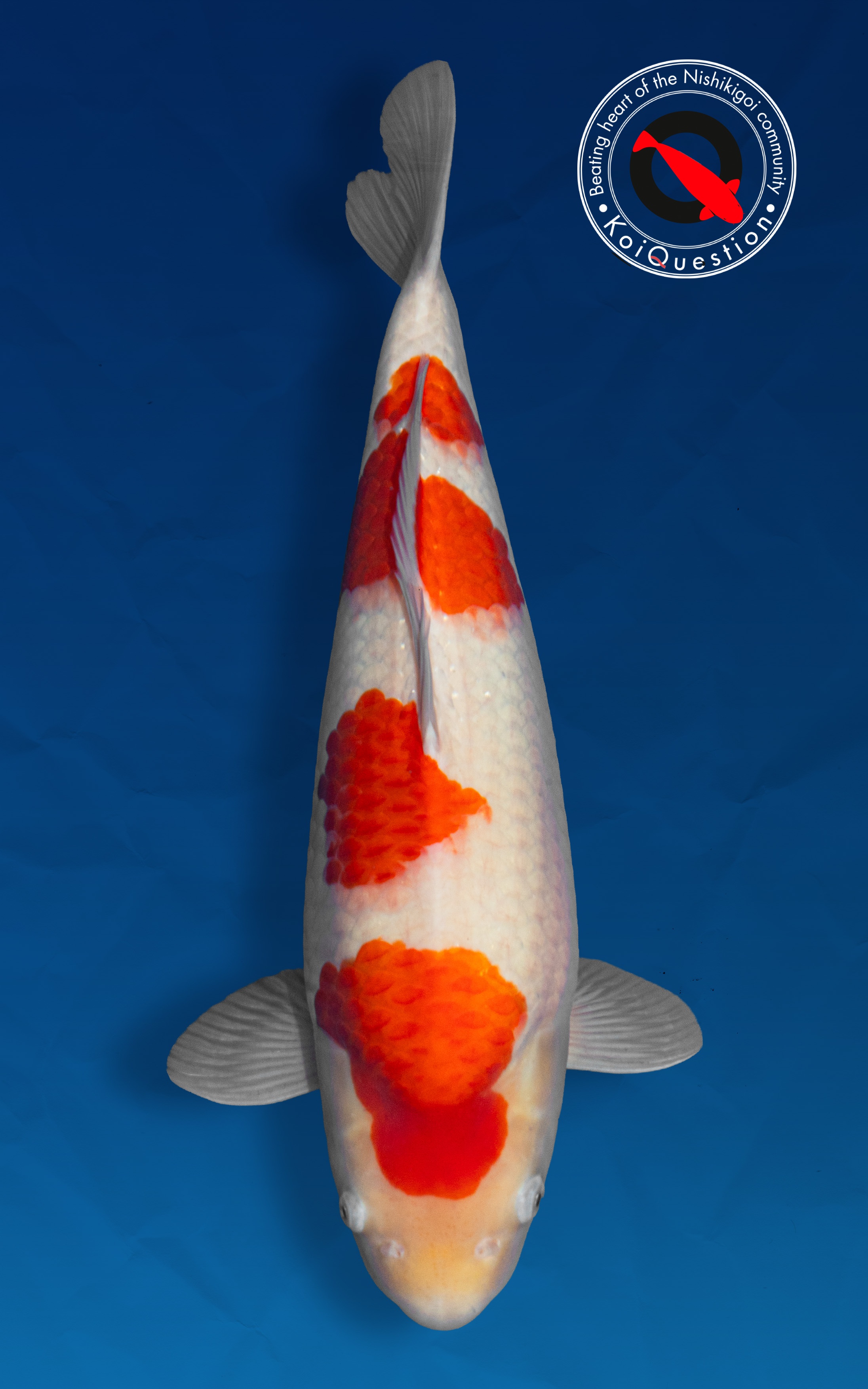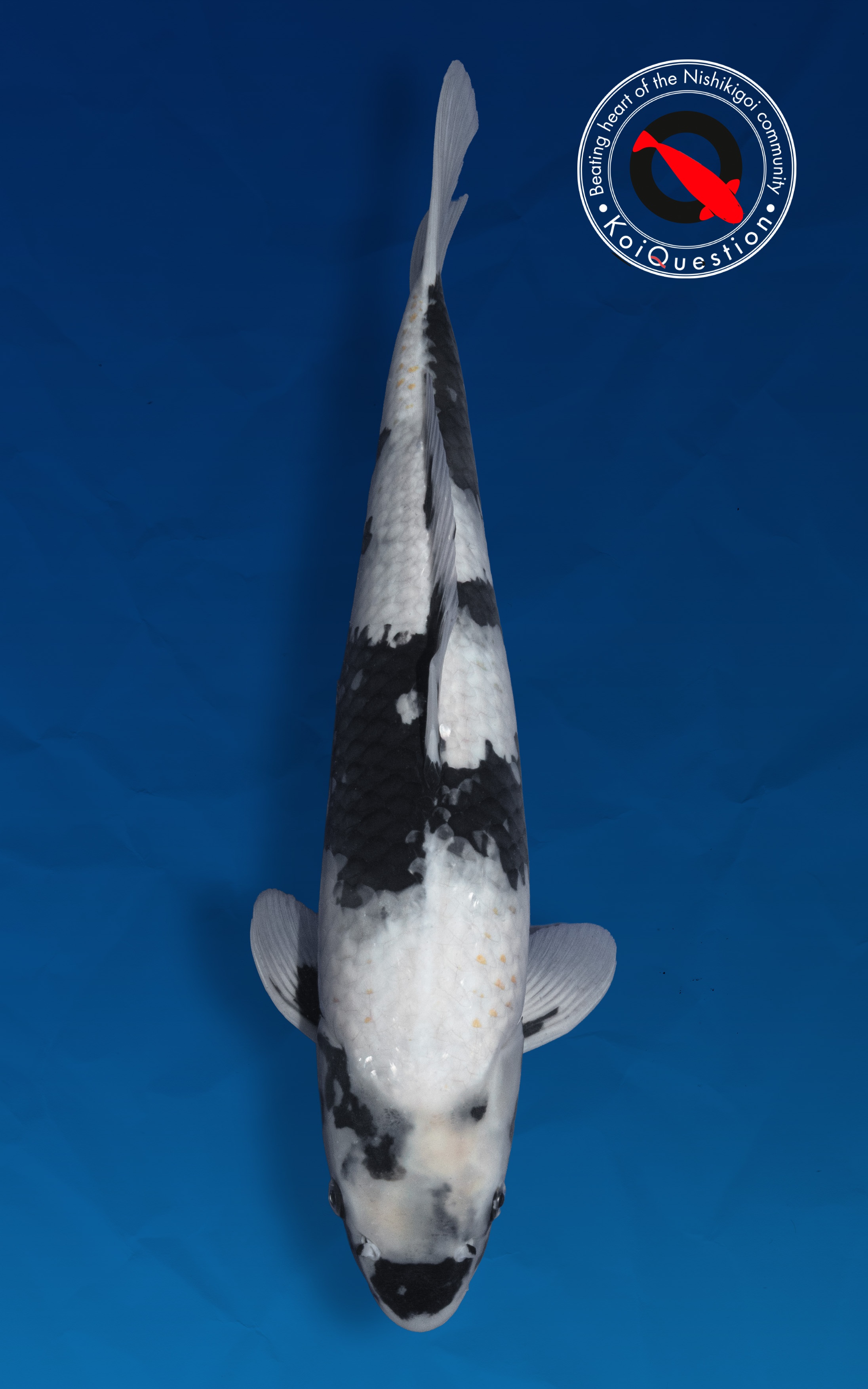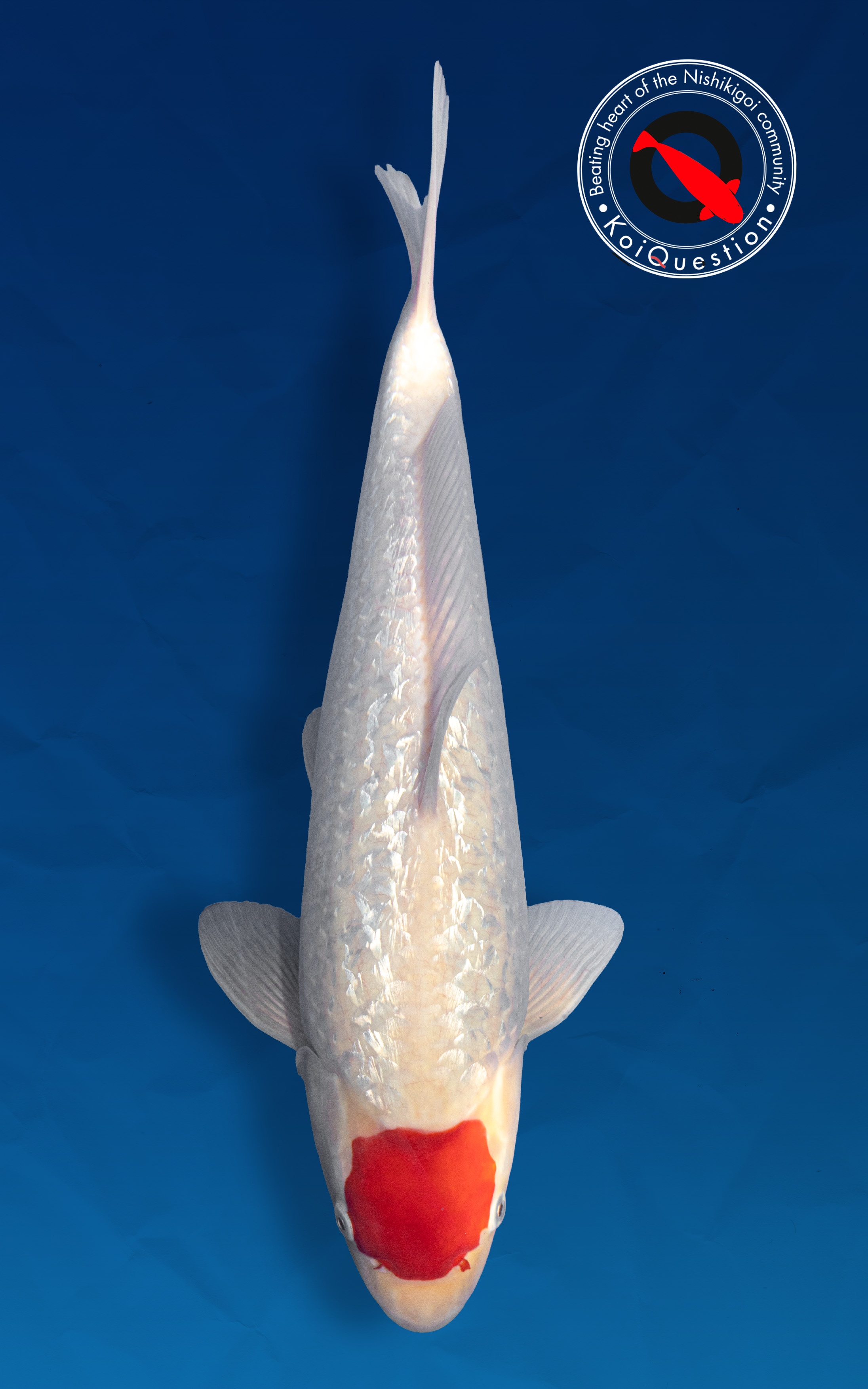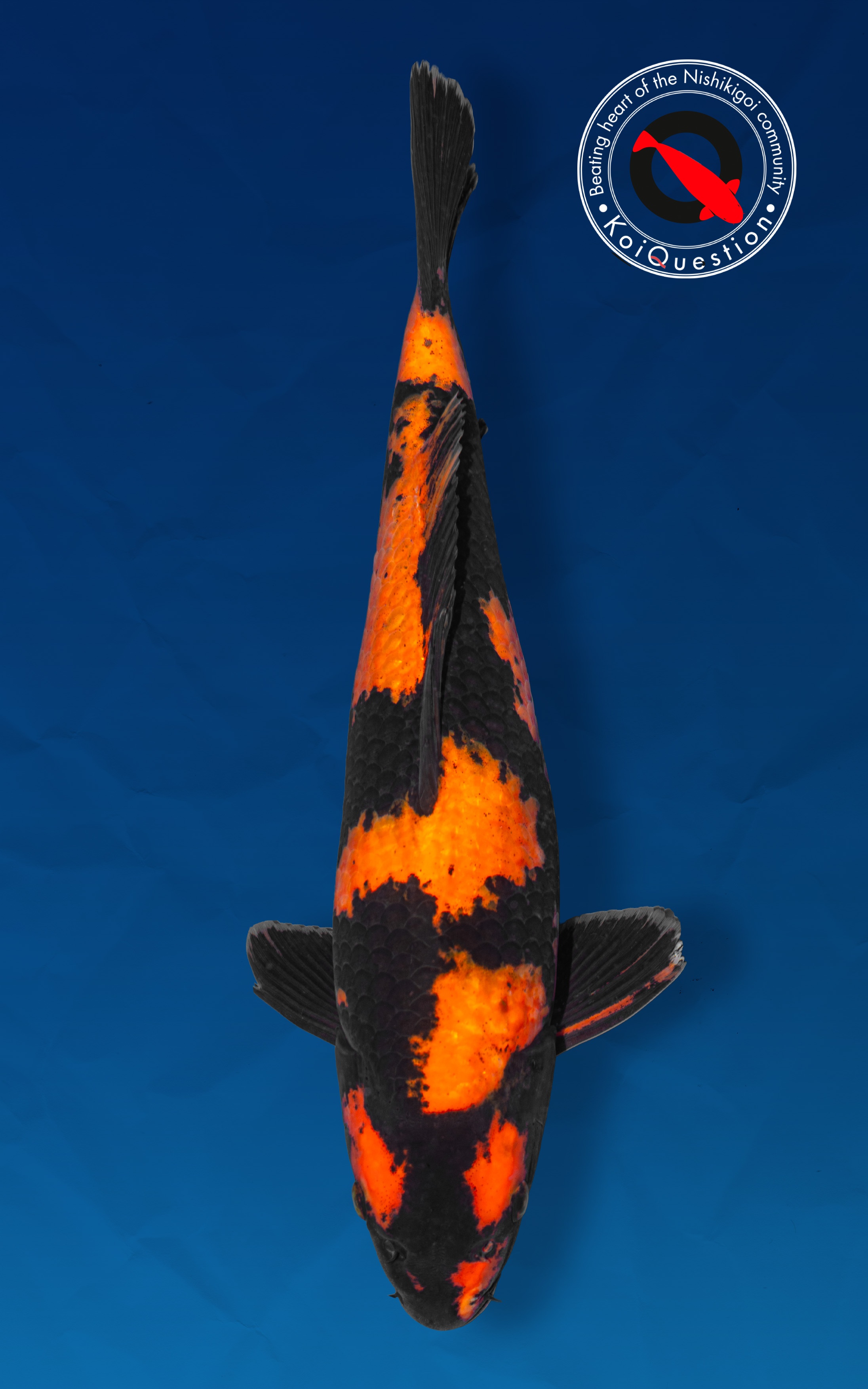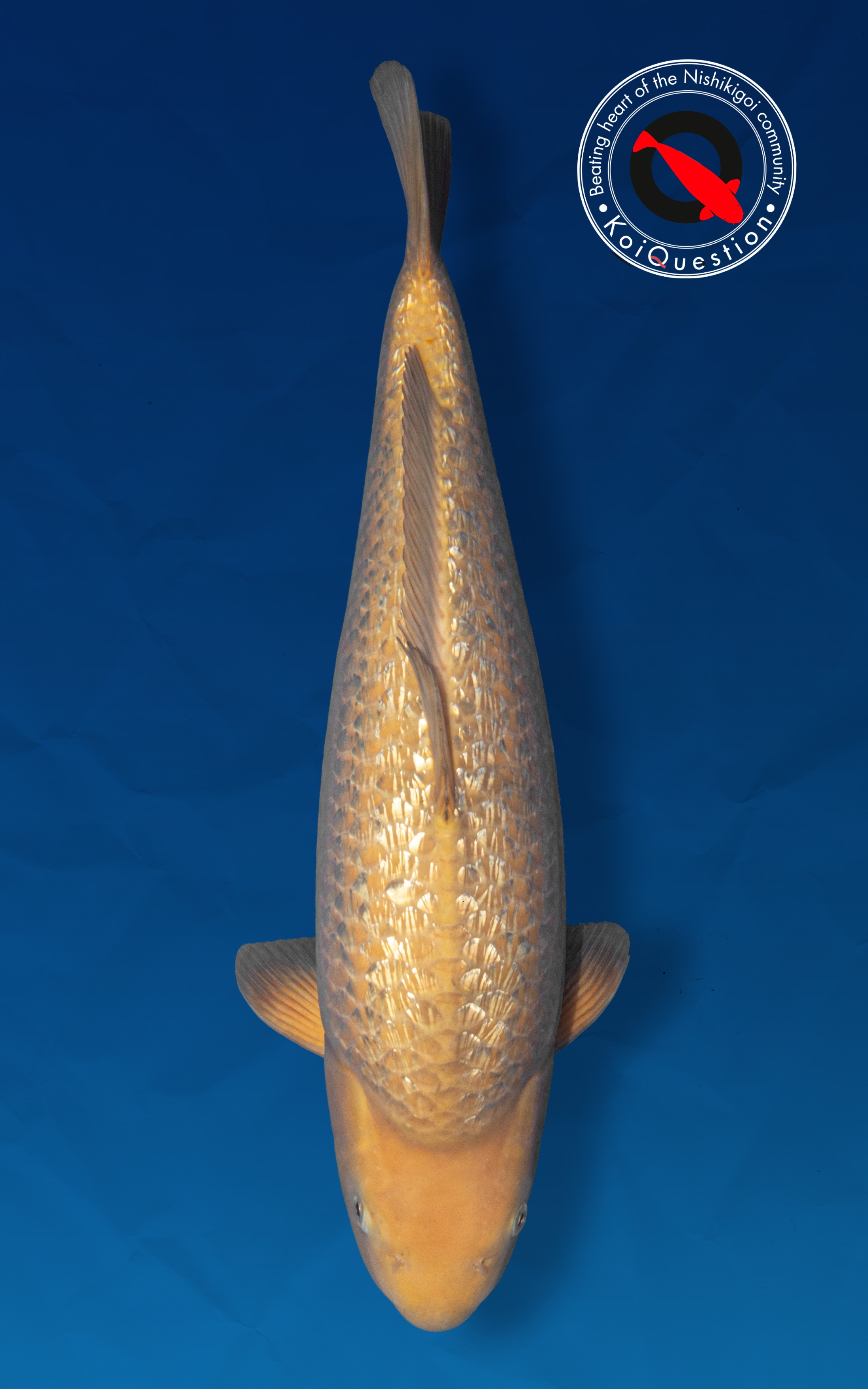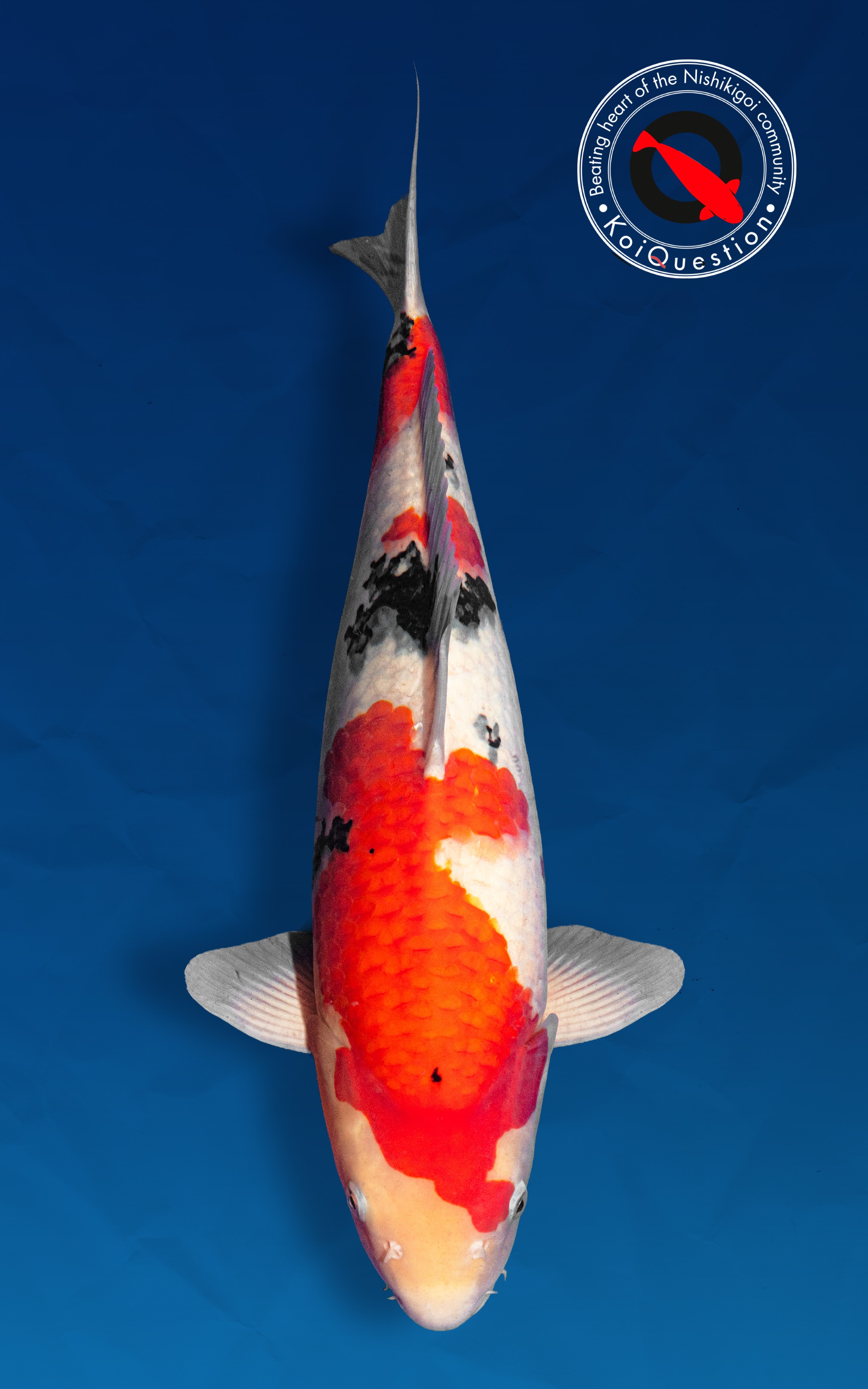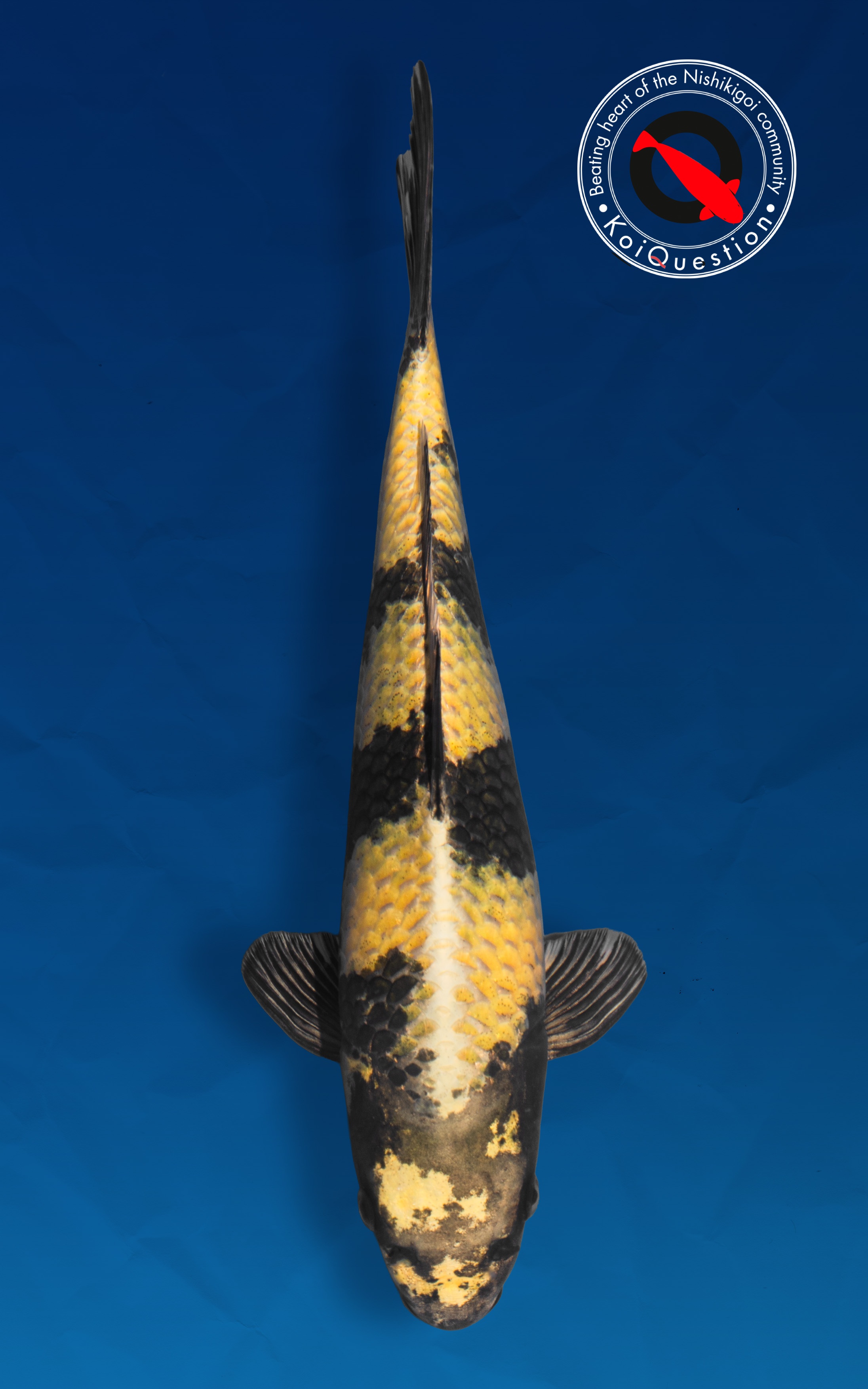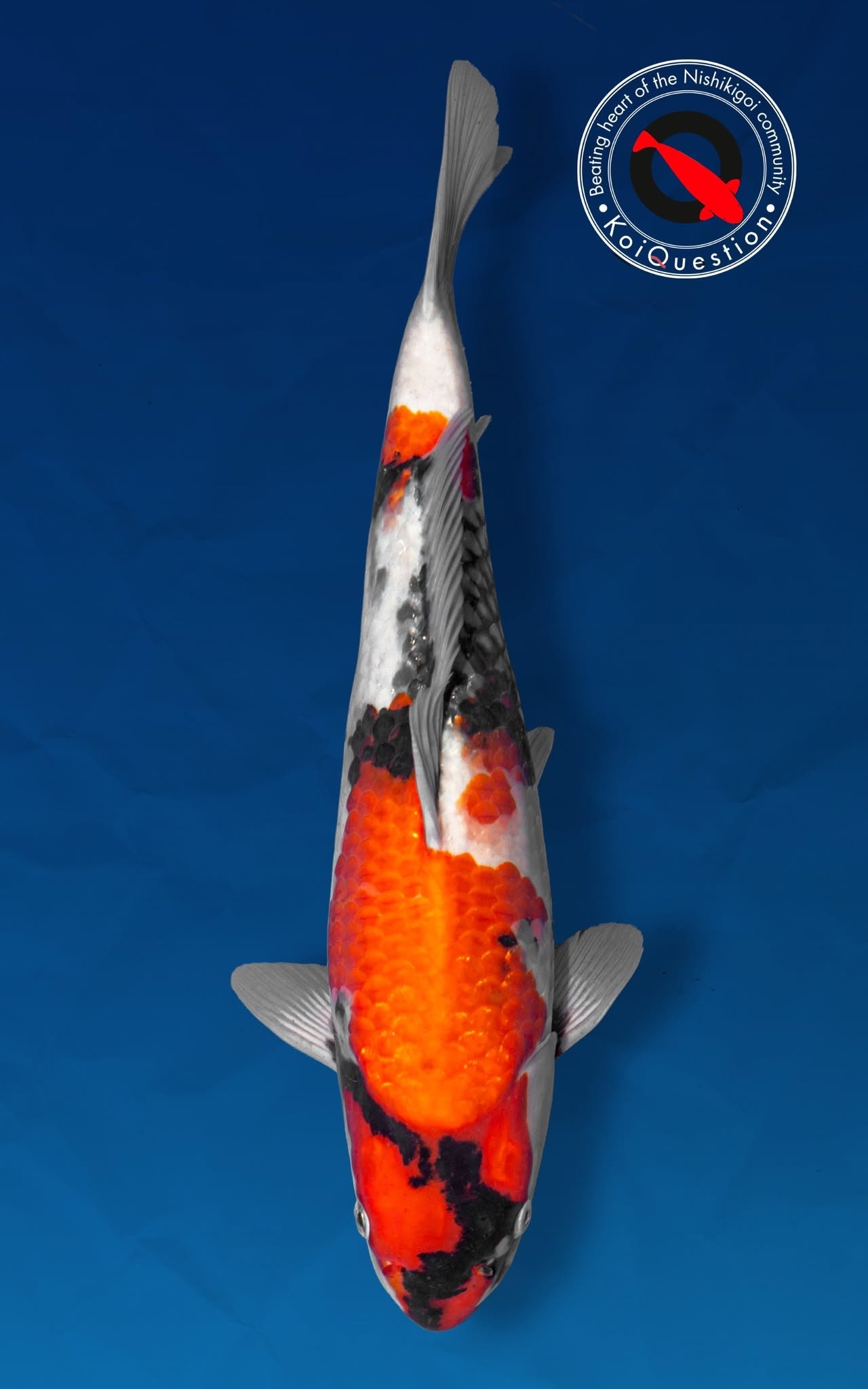
For the first time in Europe, FIVE Grand Champions in one show
What an honor to win a first prize at my very first Koi Show
The 5th Tosai Koi Show
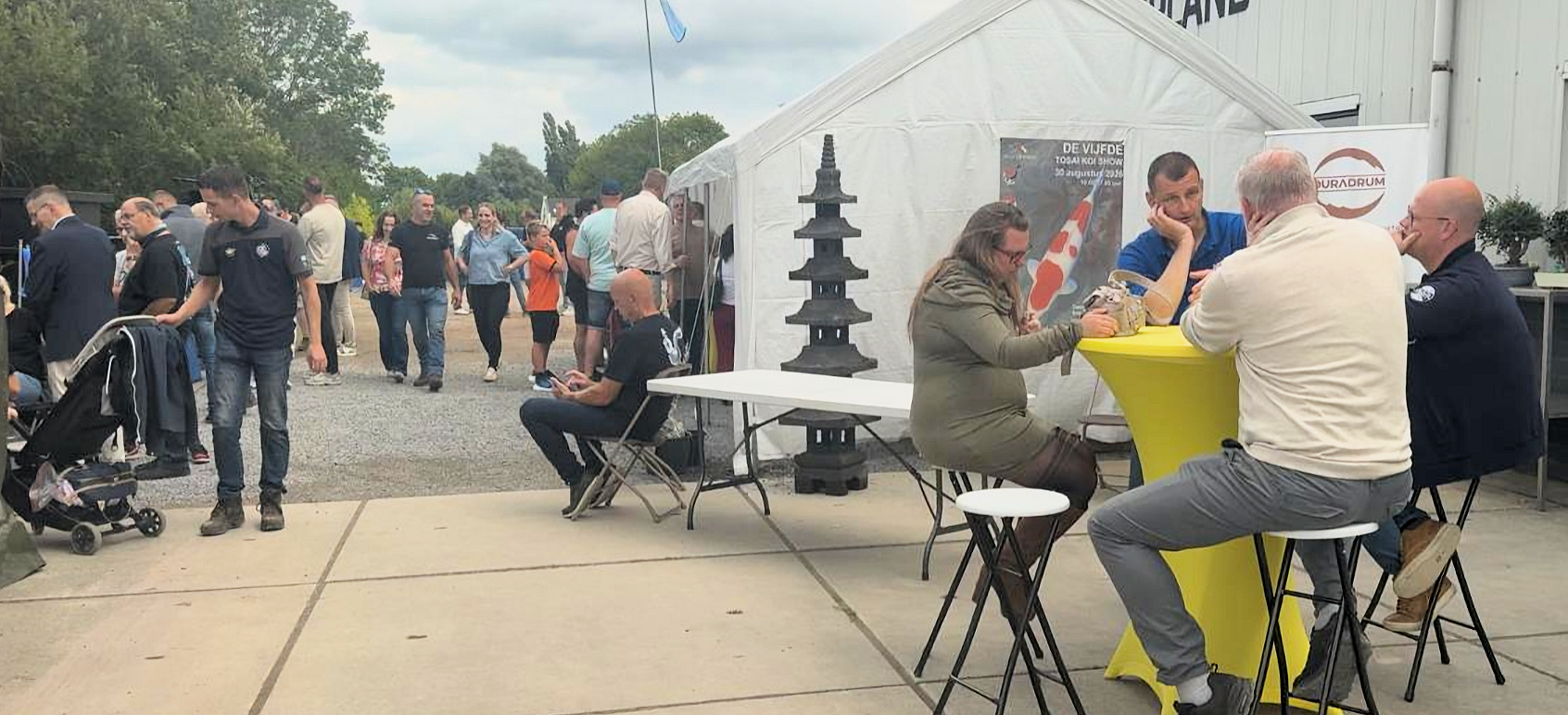
On Sunday, August 30, the fifth Tosai Koi Show was held. This time, the show took place in Zevenhuizen, at Frank's Vis en Vijverland and Meggy, the koi veterinarian. A location that we, as APKI students, already know well from our third lesson day in 2025.
An excellent location for this Tosai Show. As organizers, Kevin Aarts and Peter Heintjes did everything they could to make this fifth edition a fantastic event.
A true APKI Europes First
This day marked a European first: for the first time, a show was organized according to the official APKI rules, with a full APKI judging panel consisting of both judges and trainees.
The koi were therefore not judged according to the ZNA or Shinkokai rules, but entirely according to the APKI regulations. After a warm welcome from the organizers, the briefing followed. The head judges, Ruud and Ronald, explained the procedures to the trainees on duty: Bas van der Hulst, Bas van Tooren, Gerard de Greef, Paul van Mierlo and Kim Verreet.
No less than FIVE Grand Champions
At APKI, the show classes are divided into five groups: the A Group and four flower groups. A Grand Champion (GC) had to be selected for each of these five APKI groups. All judges were sent into the show area to collect at least two nominations per group.
After some time, the lists containing tub numbers and koi IDs were collected. A shortlist was then compiled, after which the judges returned to the show area to make the final selections. During this second “selection round” each judge was allowed to nominate only one koi.
The voting was conducted anonymously. In other words, each judge submitted a ballot for each group stating the tub number and the koi of their choice.
An open and transparent judging process
To involve the public more closely in the judging process, the votes were not counted behind closed doors. The ballots were opened and counted in public. The votes were recorded on a whiteboard, allowing everyone present to immediately see how many votes each koi had received.
The results quickly became quite clear. Without the need for a re-vote, all five Grand Champions were determined. The only requirement was that each Grand Champion had to receive a majority of the votes. In cases where the result was 4–3, the head judges took another close look at the koi and reassessed them.
Three Additional “Unique” Major Awards
In addition to the five Grand Champions, three more major awards were presented:
- Supreme Champion
- Tategoi Award
- Most Unique Award
Both the Grand Champions and these three additional major awards were “unique” prizes. This means that a koi winning one of these awards was no longer eligible for any other award.
These winners were also determined relatively quickly from the approximately 150 remaining koi entered that day.
The remaining awards
After these major awards had been decided, it was already time for a short and well-deserved lunch break. Following a very well-organized lunch, the judging continued.
The judges were now divided into two groups, allowing all four sizes to be judged for the remaining awards.
For each show class and size, there was a first and second prize to be won. For us as an APKI judging panel, this was actually quite easy this time. At APKI Indonesia, it is customary to select a top seven.
The much-anticipated prize-giving ceremony
At the end of the afternoon, the moment had finally arrived for the participants. At last, they could find out whether they had managed to win a prize.
For some participants, this was their first time entering a competition. How fantastic is it when you win a prize straight away!
For some participants, it was almost a matter of sweeping up the prizes. It seemed as though they already knew beforehand which fish they needed to bring!
Click to see the after movie made by Koi Addicted
Written by: Gerard de Greef
Images courtesy of Bas van der Hulst & KoiQuestion